


Hello, I'm Dr. Jinho Kim of Cheongdam Chaoreum Clinic.
In lifting consultations these days, many clients first ask whether we use genuine tips. This became a major social issue after it emerged that a very small number of clinics had used illegally refilled tips to cut costs.
A refilled tip is a tip that has already reached the end of its life and has been illegally recharged for reuse.

Clients find it hard to tell a genuine tip from a refilled one by appearance alone. What I guard against most is compromising safety by relying on the fact that clients cannot tell. Thermage and Ultherapy are precision devices that deliver energy to depths set in millimetres, so a damaged tip undermines the device's safety, its very essence.
In this column I'll explain why we insist on genuine tips and why refilled tips are dangerous, from two angles: hygiene and structure.
1. Basic hygiene and the risk of skin infection
The first reason refilled tips must never be used is hygiene. During treatment the tip is pressed firmly against the skin. However carefully it is used, by the end of a session the tip surface inevitably carries sebum, dead skin cells and invisible traces of blood or tissue.

A Thermage tip is a single-use medical device, designed from the outset to be used on one client and then discarded. Wiping it with an alcohol swab and reusing it is simply not part of the process.
The skin of the people we treat varies enormously. Some have acne or folliculitis, some have tiny cuts from shaving, and many have a weakened, sensitive skin barrier.
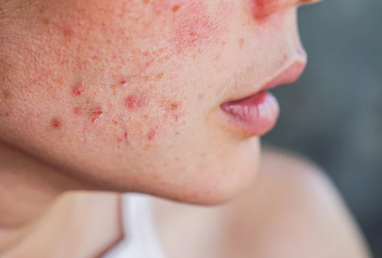
If a tip carrying traces of a previous person is lightly wiped and reused on skin in that state, the tip can become a vehicle for infection. Folliculitis or bacterial skin infection can develop, pustules or inflammation can appear at the treatment site, and existing acne or dermatitis can worsen.
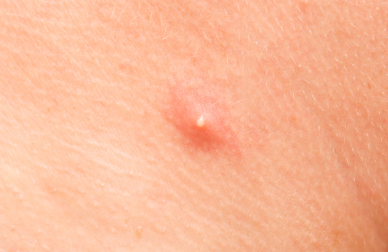
2. Fatal burn risk from damage to the tip's microstructure
Just as important as hygiene is the structural condition of the tip.
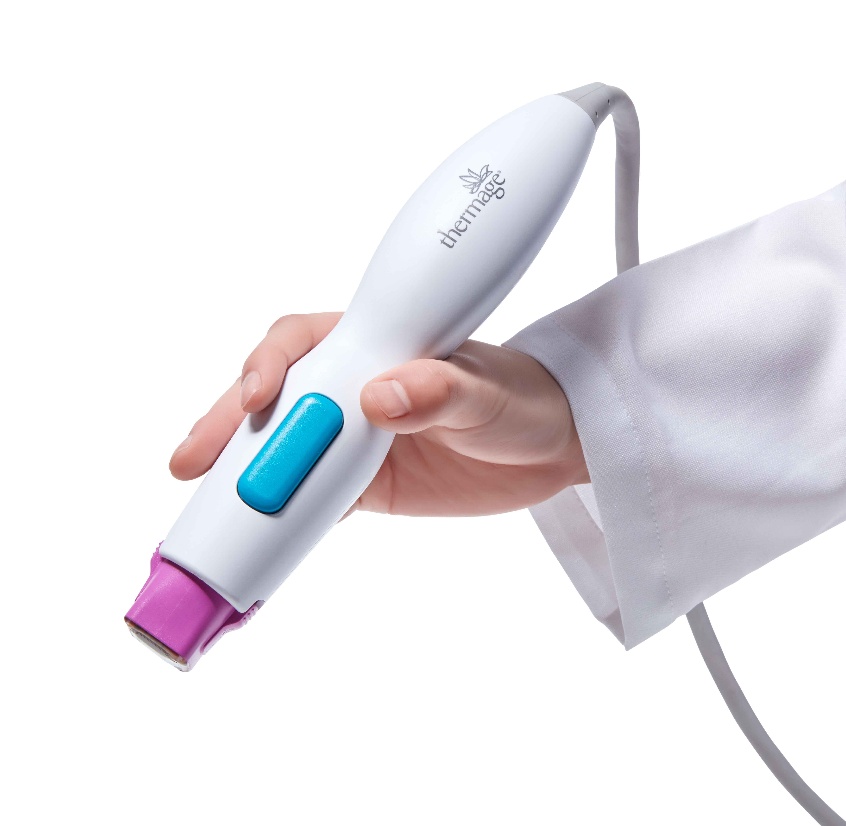
Inside a Thermage tip is a thin polyimide film called the capacitive membrane. It helps the radiofrequency energy spread evenly across a wide surface instead of concentrating in one spot, and acts as a shield that protects the skin from burns.
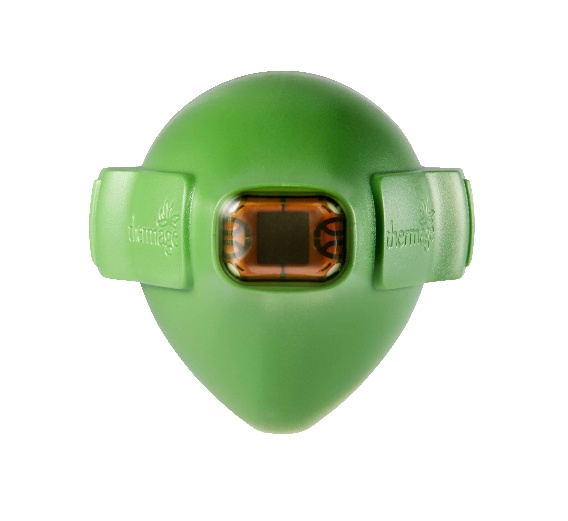
This membrane is thin and transparent, so damage is hard to judge by eye. If it ruptures during treatment, the energy concentrates in one place and can cause a thermal burn to the skin.

Early Detection of Monopolar Radiofrequency Tip Rupture Using Polarized Dermoscopy: A Preventive Approach Against Treatment-Related Burns
The images show a thermal burn progressing immediately after treatment and at 4, 8 and 14 days following a membrane rupture.
A refilled tip is a used tip that has been collected, chemically cleaned and recharged. There is no way to check how much the membrane was damaged in that process, so in the end the treatment is performed with a tip whose membrane condition is unknown.
The same applies to Ultherapy. Inside an Ultherapy tip is a transducer that focuses ultrasound energy on a single point at a set depth. This transducer creates small thermal coagulation points in the SMAS layer (fascia) beneath the skin.
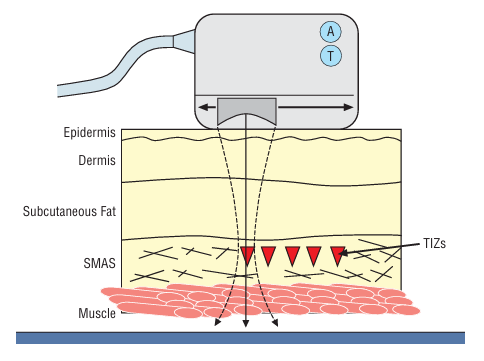
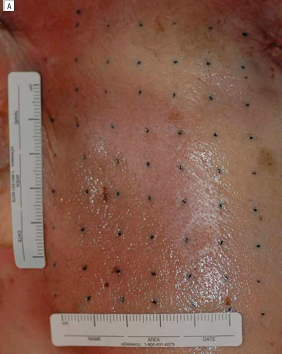
Selective Creation of Thermal Injury Zones in the Superficial Musculoaponeurotic System Using Intense Ultrasound Therapy: A New Target for Noninvasive Facial Rejuvenation
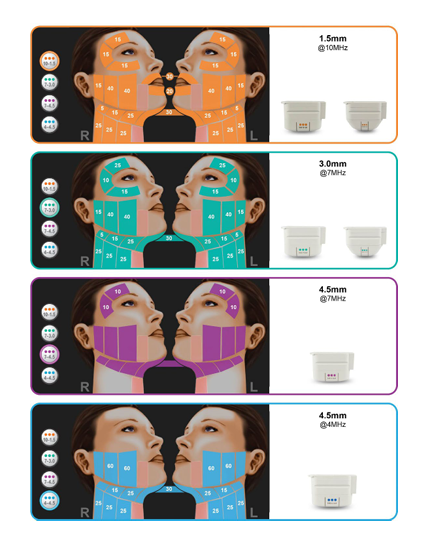
Each tip has a fixed focal depth, and to create such precise coagulation points the internal structure of the transducer must be as intact as new. Cleaning agents or alcohol-based products not approved by the manufacturer can damage the transducer surface and components. If you cannot know what chemicals a tip was treated with, and how, you cannot be sure it will focus energy accurately at the intended depth.
I see no reason to bring uncertain risks into a treatment room that should be safe. That is also why I keep stressing this point at conferences and lectures. Only when the intended amount of energy reaches the intended depth can we reduce the risk of side effects and expect the planned result.
Because using refilled tips directly threatens client safety, I recommend confirming that genuine tips are used before any treatment.
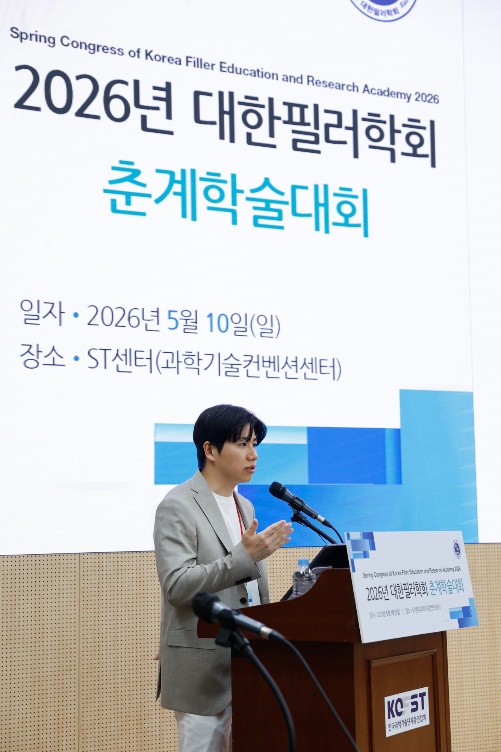
Lifting a sagging face: why the fascia matters (Korean)

This was Dr. Jinho Kim of Cheongdam Chaoreum Clinic.
※ Eligibility for treatment, the devices and tips used, and results may vary with individual condition. Please confirm the details in a consultation with our medical staff.


 Promotions

 KakaoTalk Chat

 Naver Booking

 Directions

 Instagram

 YouTube

 Naver Blog


